
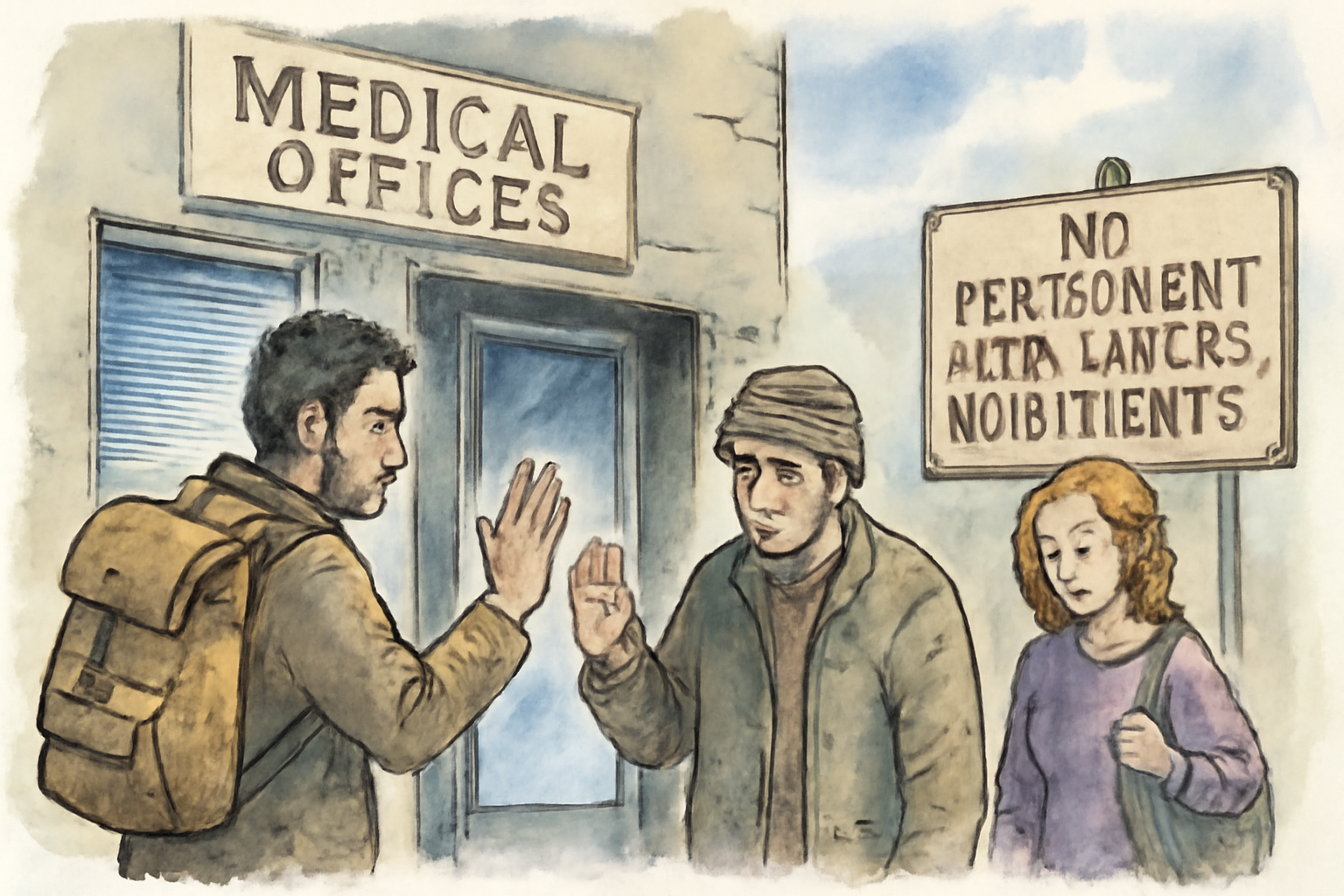
For individuals adopting a nomadic lifestyle in RVs and travel trailers, securing reliable healthcare representation can be challenging. One of the most significant hurdles is that many physicians' offices have policies that limit accepting new patients, impacting healthcare access for nomads and those constantly on the move.
Doc-in-a-Box and Walk-In Clinics: One practical option for nomads is utilizing walk-in clinics or "doc-in-a-box" facilities. These clinics provide flexible and accessible healthcare services without the need for appointment bookings. Their increasing availability across urban and rural settings offers nomads a viable alternative to traditional primary care physicians.
Telemedicine: The growing telemedicine industry is another resourceful solution for remote consultations. Telehealth services allow patients to communicate with healthcare providers through video calls or online chats, enabling continuous medical support despite geographic limitations.
Mobile Apps and Internet Resources: There are several mobile applications and internet resources designed to assist nomads in finding healthcare services wherever they are located. Apps can provide information on nearby clinics, pharmacies, and urgent care facilities, complete with user reviews and current wait times.
Healthcare Networks and Direct Primary Care (DPC): Expanding one’s network to include nationwide healthcare provider memberships such as Direct Primary Care can be advantageous. DPC offers a subscription-based model allowing access to healthcare without the constraints of traditional insurance paradigms, useful for nomads who frequently change locations.
Establishing a Primary Care Physician in a Tax Home Base: Many nomads designate a tax home base for various logistical reasons, including legal and tax issues. Establishing a relationship with a primary care physician in this home base can provide an anchor point for healthcare needs, with the ability to return for routine care and procedures.
Navigating Health Insurance: Understanding and choosing the right health insurance plan that covers out-of-network providers is crucial. Comprehensive plans, like Preferred Provider Organizations (PPOs), are generally more accommodating to the nomad lifestyle as they offer greater flexibility in choosing providers outside of a specific geographical network.
Scheduling appointments and maintaining continuity of care often requires creative solutions and flexibility from both the nomad and their healthcare providers. By leveraging technology and exploring alternative healthcare models, nomads can ensure they receive the medical attention they need while on the move.